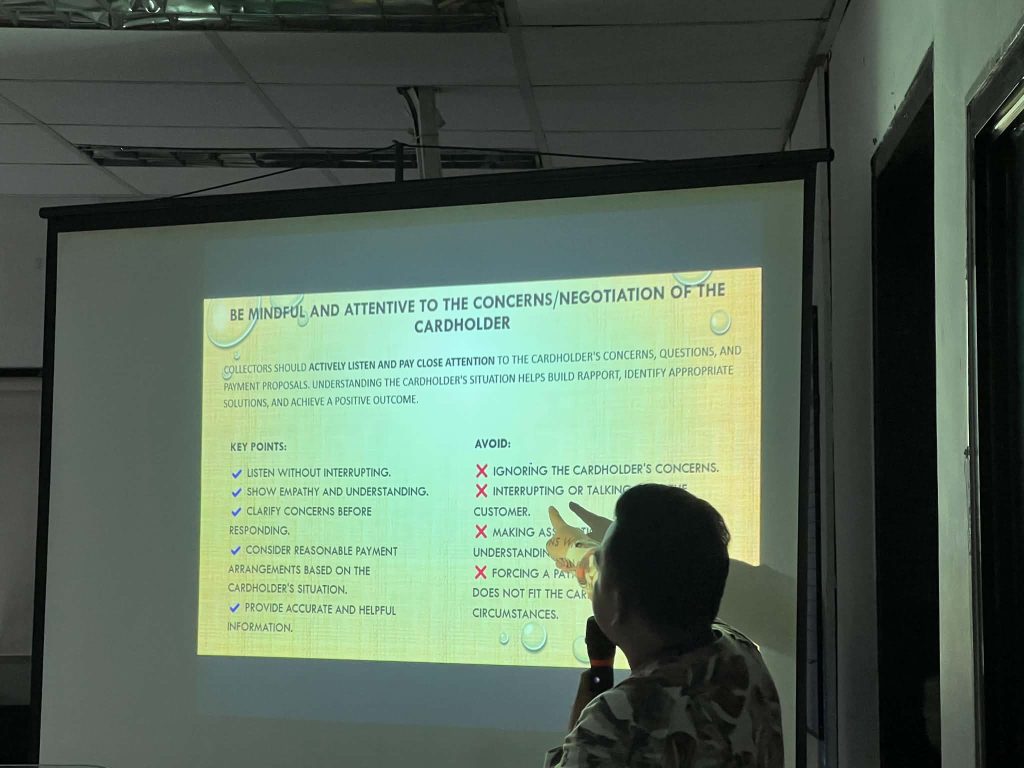
In today’s financial landscape, asset recovery is a critical safeguard for banks, creditors, and corporate lenders in the Philippines. Whether stemming from unpaid loans, non-performing assets, or defaulted obligations, asset recovery ensures that financial institutions can minimize losses while maintaining compliance with local regulations and due process.

Understanding how the recovery process works—from legal demand, repossession, and liquidation, to regulatory safeguards—is essential for both creditors seeking to enforce their rights and debtors entitled to fair treatment under Philippine law.
This article outlines the key steps in the asset recovery process, references relevant legal frameworks, and highlights best practices that establish trust between creditors and their recovery partners.
Why Asset Recovery Matters
According to Bangko Sentral ng Pilipinas (BSP) reports, non-performing loans (NPLs) in the banking sector typically hover around 3–4% of total loan portfolios. For banks, recovering these assets efficiently is not just about protecting their balance sheets—it also sustains liquidity, supports investor confidence, and ensures compliance with capital adequacy requirements.
For creditors such as corporate lenders, asset recovery is equally important. It reinforces contractual integrity and discourages willful defaults while preserving the possibility of debt restructuring where feasible.
Step 1: Legal Demand and Pre-Recovery Measures
The process begins with a demand letter—a formal notification sent to the debtor requiring payment of an overdue obligation within a specified period. This step is mandated under Philippine jurisprudence, as courts often require evidence of such demand before creditors can proceed with more aggressive legal action.
Key considerations:
- BSP Circulars and SEC Rules – Financial institutions must comply with fair collection practices, avoiding harassment or threats. BSP Circular No. 454, for instance, reminds banks to act within the bounds of law when collecting receivables.
- Case Law Reference – In PNB v. Perez (G.R. No. 152152, 2007), the Supreme Court emphasized that creditors must first establish due demand before foreclosure or repossession.
- Best Practice – Some creditors also explore restructuring or refinancing arrangements at this stage to preserve customer relationships and avoid litigation costs.
Step 2: Asset Repossession
If the debtor fails to respond to the demand, creditors may proceed to asset repossession, typically applicable for secured loans (e.g., real estate, vehicles, or equipment pledged as collateral).
There are two primary methods:
- Judicial Repossession – Filing a case in court for the issuance of a writ of replevin or foreclosure. This path provides stronger judicial oversight but may take longer due to congested dockets.
- Extrajudicial Foreclosure – Allowed under Act No. 3135 for real estate mortgages and under the Chattel Mortgage Law for movable assets. This process allows creditors to repossess without filing a lawsuit, provided that the contract contains a special power of attorney granting this right.
Due Process Safeguards:
- Debtors must be properly notified of foreclosure proceedings.
- Auctions must be publicly announced in compliance with publication requirements (e.g., posting notices in newspapers of general circulation).
- Failure to follow proper procedure can nullify repossession, as seen in Sulit v. CA (G.R. No. 119247, 1997), where lack of proper notice invalidated a foreclosure.
Step 3: Liquidation and Asset Disposition
Once repossessed, assets must be liquidated or disposed of to satisfy the outstanding debt. This process involves converting the repossessed property into cash through auctions, private sales, or third-party liquidation firms.
Legal Frameworks:
- Rules of Court – Judicial foreclosures follow court-supervised auctions, with proceeds applied to the debt.
- Insolvency Law (Financial Rehabilitation and Insolvency Act of 2010, R.A. 10142) – Governs corporate liquidation, ensuring equitable treatment of all creditors.
- BSP Guidelines – Banks disposing of acquired assets must observe asset classification and reporting standards.
Industry Practice:
- Some creditors partner with accredited liquidation companies to maximize recovery value.
- Transparency in the sale process builds trust and minimizes disputes.
Safeguards for Creditors and Debtors
The Philippine legal system emphasizes balance—creditors’ rights to recover obligations are protected, but debtors are also safeguarded against abuse.
For Creditors:
- Contractual Protection – Enforceability of mortgage and collateral agreements.
- Judicial Remedies – Access to foreclosure, replevin, or collection suits.
- Regulatory Backing – Recognition of secured interests under Civil Code provisions and BSP regulations.
For Debtors:
- Right to Due Process – Proper notice and opportunity to be heard before repossession.
- Protection from Harassment – The BSP and SEC prohibit unfair collection practices, such as public shaming or coercion.
- Redemption Rights – Under Act No. 3135, debtors can redeem foreclosed property within a statutory redemption period (typically one year for real property).
This dual framework ensures that asset recovery is conducted fairly and sustainably.
Case Study: Bank Repossession in Practice
A mid-sized universal bank in the Philippines faced a surge in delinquent auto loans in 2022. By partnering with a licensed asset recovery firm, the bank implemented a compliance-first strategy:
- Demand letters were sent with restructuring offers.
- For unresponsive accounts, extrajudicial repossession was pursued, with strict adherence to notice and publication rules.
- Repossessed vehicles were liquidated through accredited auction houses, achieving 65–70% recovery rates compared to book values.
The outcome: The bank successfully reduced its NPL ratio without incurring reputational risks or regulatory sanctions.
Building Trust Through Compliance
For financial institutions, asset recovery is not simply a legal process—it is also a matter of reputation. Mishandled repossession cases can result in litigation, regulatory penalties, and public backlash. On the other hand, compliance-focused recovery demonstrates professionalism and strengthens client relationships.
Best Practices for Trusted Recovery Partners:
- Transparency – Document every step of the process and keep clients informed.
- Regulatory Alignment – Ensure full compliance with BSP, SEC, and court requirements.
- Ethical Standards – Uphold debtor dignity while protecting creditor rights.
- Efficiency – Balance speed of recovery with procedural safeguards.
The asset recovery process in the Philippines—spanning legal demand, repossession, and liquidation—is a structured framework that safeguards the rights of both creditors and debtors. By following due process, complying with regulatory requirements, and upholding ethical standards, financial institutions can protect their assets while maintaining public trust.
For banks, creditors, and law firms, partnering with a trusted recovery firm ensures not only higher recovery rates but also peace of mind that every action is legally sound and reputationally secure. In an industry where compliance and credibility define long-term success, asset recovery is best approached as a partnership built on professionalism and trust.